
HVAC Ductwork Cost: What Actually Drives the Price

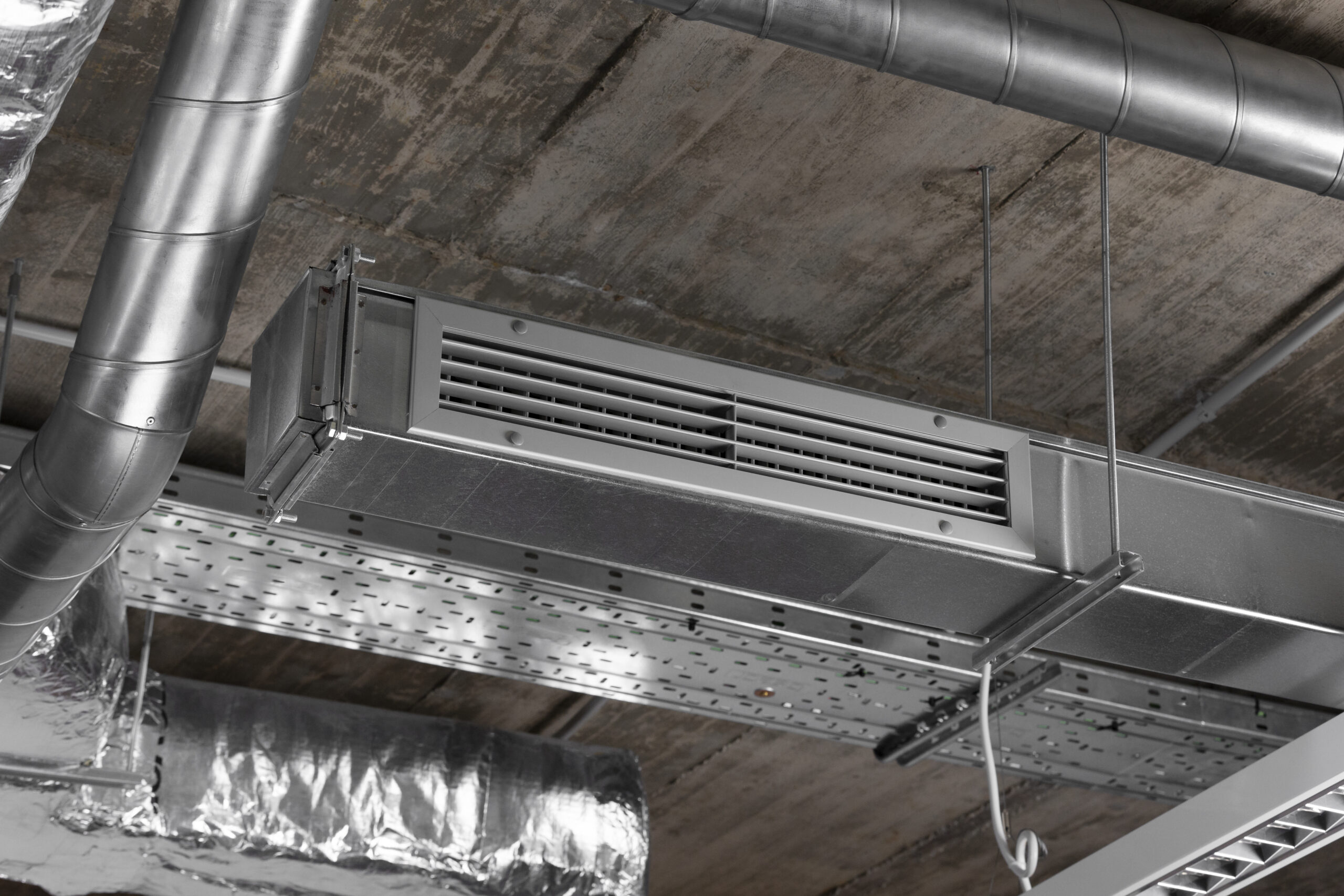
Every conversation about HVAC ductwork cost starts the same way: someone asks for a number, and the honest answer is that it depends. That answer frustrates people, but it is accurate. Two buildings the same size can end up with very different ductwork bills depending on material, layout, and how the system needs to perform. This guide breaks down the real factors behind HVAC ductwork cost so the eventual quote makes sense instead of feeling arbitrary.
Why There Is No Single Price Tag
Ductwork pricing gets treated like a fixed line item, but it behaves more like a custom fabrication job every time. Two identical floor plans can carry different HVAC ductwork cost figures once material grade, duct shape, and access requirements are factored in.
This is exactly why reputable suppliers avoid quoting a number before understanding the project. A fabricator asking detailed questions before pricing anything is usually a good sign, not a delay tactic.
Material Choice Is the Biggest Cost Driver
Material selection has more influence on HVAC ductwork cost than almost any other decision on the list.
Galvanized Steel
This remains the standard, cost-effective choice for most residential and commercial projects. It balances durability and price well across long duct runs, which keeps overall HVAC ductwork cost more predictable.
Stainless Steel
Hospitals, labs, and food facilities often require stainless steel for hygiene and corrosion resistance. It costs noticeably more upfront, but that premium reflects a material built to withstand harsher conditions for longer.
Flexible and Insulated Options
Flexible ducting tends to lower material costs for simple residential runs, though it trades off some durability compared to rigid metal. Pre-insulated ductwork often costs more per meter but can reduce both installation labor and long term energy loss.
Size and Airflow Requirements Shape the Budget
Bigger buildings need more ductwork, but the relationship is not always linear.
Larger duct diameters require thicker material to maintain structural integrity, which raises the material cost per meter. High airflow requirements, common in industrial and commercial buildings, often call for reinforced ducts and additional support structures, both of which add to the total.
Getting airflow calculations right early avoids the common and expensive mistake of undersizing a system and needing costly rework later.
Project Type and Building Use
The type of building also affects HVAC ductwork cost because different applications have different airflow, hygiene, fire-rating, and performance requirements. Residential projects may use simpler duct layouts, while hospitals, hotels, malls, and industrial facilities often require more specialized materials, fittings, insulation, and access provisions.
Commercial and industrial buildings can also involve longer duct runs, higher airflow volumes, and more demanding support requirements. This means two projects with similar floor areas can still have significantly different ductwork costs based on how the HVAC system needs to operate.
Ductwork Quantity and Total Length
The total amount of ductwork required is another direct factor in HVAC ductwork cost. Longer duct runs naturally require more material, fabrication, supports, insulation, and installation labor, increasing the overall project budget.
However, total length alone does not determine the final cost. The number of fittings, branches, transitions, access points, and changes in direction can significantly increase fabrication and installation requirements. A shorter but highly complex duct system may therefore cost more than a longer system with a straightforward layout.
Project Location and Delivery Costs
Project location can also affect the final HVAC ductwork cost, particularly when ductwork is fabricated at a factory and delivered to the project site. Transportation distance, delivery requirements, site access, and unloading conditions can all influence the overall installation budget.
Projects in remote locations or areas with restricted access may require additional planning and handling. Coordinating fabrication, delivery, and installation efficiently can help reduce unnecessary transportation costs, delays, and on-site storage requirements.
Design Complexity and Access Requirements
A straight duct run costs far less than one weaving around beams, ceiling obstacles, and mechanical rooms.
Custom fittings, elbows, and transitions all add fabrication time and material compared to standard straight sections. Access doors and inspection points add a small amount to the upfront HVAC ductwork cost, but they reduce maintenance expenses significantly over the life of the system.
Renovation projects tend to cost more than new construction for this exact reason, since existing structures rarely accommodate a simple, straight duct layout.
Insulation and Sealing Add Cost, but Also Value
Skipping insulation lowers the upfront number, but the tradeoff shows up later on the electricity bill.
Properly insulated ductwork reduces heat gain in hot climates, which lowers the overall load on the HVAC system. Quality sealants and gaskets also reduce air leakage, meaning the system does not have to work harder to compensate for lost conditioned air.
Considering cutting insulation to save on the initial quote? It is worth comparing that saving against a few years of higher energy bills first.
Labor and Installation Factors
Material makes up only part of the total bill. Labor and site conditions matter just as much.
Ceiling height, building access, and how much of the work happens on site versus in a factory all affect labor time. Projects using more prefabricated sections tend to see lower installation costs, since less cutting and assembly happens on site.
Working with an experienced fabrication team also reduces the risk of costly rework from measurement errors or poor fitting.
Need reliable duct fabrication and installation for your project? Explore Al Samman’s HVAC duct services, site delivery, technical support, and installation.
Why Getting a Detailed Quote Matters More Than a Ballpark Number
A vague estimate is only useful for the roughest early planning. Once drawings and building requirements are available, HVAC ductwork cost should be quoted based on actual specifications, not a generic price per square meter.
Prices vary by project scope, material availability, and current market conditions, so any figure should always be treated as a market reference rather than a fixed rate until a formal quote is issued. This is standard practice across the industry and protects both the client and the fabricator from unrealistic expectations.
How Al Samman Duct Factory Approaches Pricing
With decades of experience fabricating galvanized steel, stainless steel, and pre-insulated ductwork for projects across Saudi Arabia, Al Samman Duct Factory prices projects based on actual drawings, material specifications, and site conditions rather than generic estimates. The factory holds ISO 9001:2015 certification and has supplied ductwork for projects including Hilton DoubleTree, Holiday Inn Riyadh, Alothaim Mall, and Hai Al Jamaa Hospital.
That approach keeps HVAC ductwork cost transparent and tied to what the project actually needs rather than a number pulled from a generic price list. Planning a new build or renovation? Sharing drawings early usually leads to a more accurate and useful quote.
Get an Accurate HVAC Ductwork Quote
Planning a new HVAC system or renovation project in Saudi Arabia? Contact Al Samman Duct Factory to discuss your requirements, get technical guidance, and request a project-specific ductwork quote based on your drawings and specifications.
FAQ
What is the single biggest factor in HVAC ductwork cost?
Material choice usually has the largest impact, since galvanized steel, stainless steel, and insulated options all carry very different price points.
Does a bigger building always mean a bigger ductwork bill?
Generally yes, but layout complexity and airflow requirements can push costs up even in moderately sized buildings with demanding specifications.
Is it worth paying more for insulated ductwork upfront?
In hot climates, insulated ductwork often pays for itself over time through reduced energy loss, even though the initial cost is higher.
Can HVAC ductwork cost be estimated without a site visit?
Only roughly. An accurate figure usually requires drawings or a site visit to account for layout, access, and material needs.
Do access doors add significantly to the total cost?
They add a modest amount upfront but usually save more over time by making inspection and cleaning far easier and less disruptive.
Why do renovation projects often cost more than new construction?
Existing structures rarely allow for simple, straight duct runs, which increases the amount of custom fabrication required.